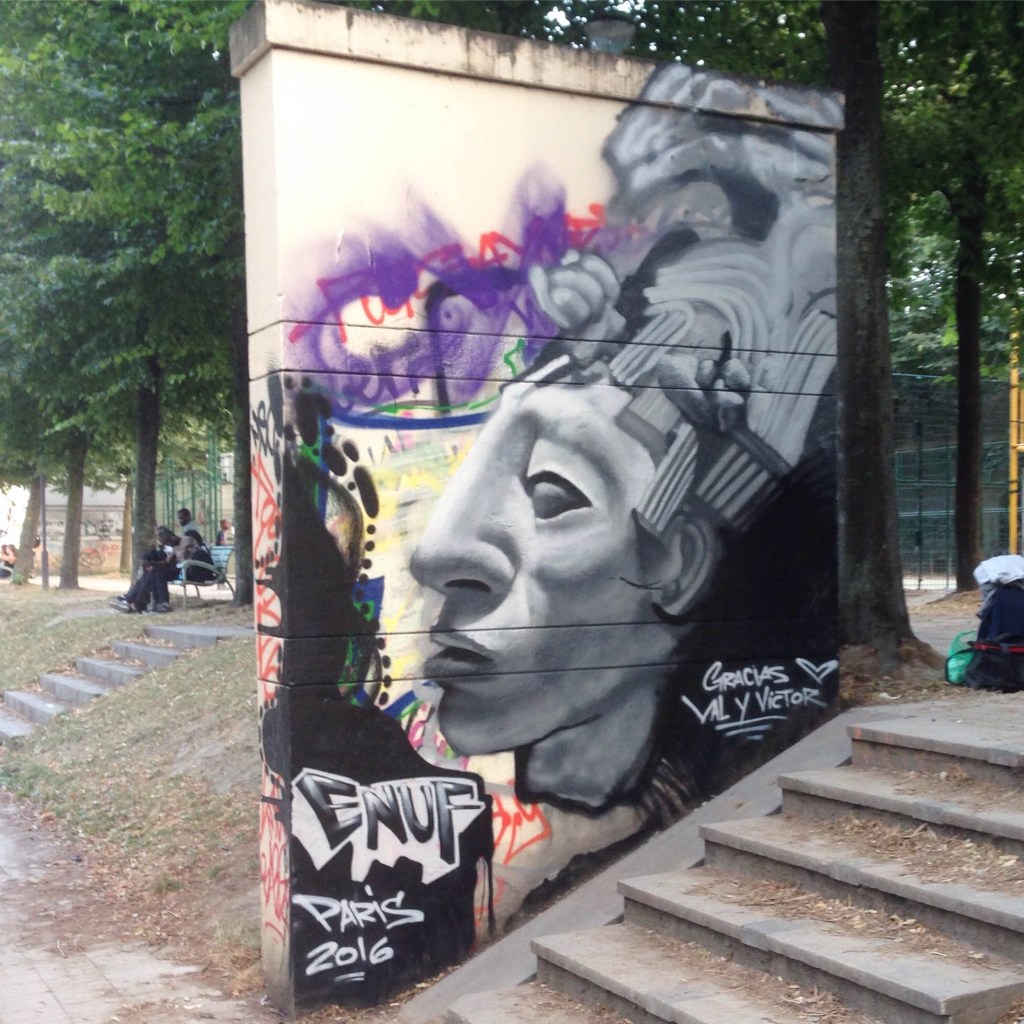
“Morena:” A Powerful Expression of Mexican Pride
Kristina Zamantha Isidoro Zuniga
Some words become more acceptable over time, and they can change our perception. The word “Morena” is a powerful and profoundly resonant term that embodies the essence of Mexican pride and cultural identity. Though it can be used as an offensive word, it is a term that carries historical significance, celebrates indigenous roots, and symbolizes the strength and resilience of the Mexican people.
The term “Morena” is often used to describe someone with darker skin, a complexion proudly associated with indigenous and mestizo (mixed indigenous and European) heritage. The term also signifies the connection to the land, reflecting the profound relationship between the Mexican people and their ancestral territories.
“Morena” is a descriptive term and a source of empowerment for many Mexicans. It fosters a sense of unity and self-acceptance among people historically marginalized and discriminated against due to their indigenous heritage. I was discriminated against by my cousins because I was born darker than them; I am half Mexican and half Filipina. My mother is Filipina, but her skin tone is lighter than mine. Even though their parents are Mexican, they do not care about it. They made fun of me. When I was around seven years old, my family made jokes about my skin color. My dad is Mexican. He is the second of six siblings, and he is darker than the rest. One day, my cousins bothered me and called me “Negra.” For them, it had the same significance as “Morena.” They said it in a tone of mockery and discrimination. I could feel the contempt. Even my father called me “Negra,” but his excuse was that it was a nickname of endearment. I was a kid. It did not sound like an endearing word to me.
In embracing the term “Morena,” individuals and communities take control of their narrative and proudly assert their cultural identity. It is a declaration of strength and self-worth. As I was growing up, the jokes increased in level, and one day, I wrote a note expressing my feelings about the nickname they had for me. I felt discouraged and angry, so much that I would run away. At that time, I was eleven years old.
One day during the summer of my vacation in California, when I was eighteen, a white lady, my aunt’s neighbor, looked at me and said that she wanted to have skin like me because it doesn’t burn quickly like white skin. Besides, she could never get that tanned color she always craved in the summer. The only thing she got was burning, irritation, and red skin. I could feel her pain after the comments she made about her skin problems.
That day, I finally understood how fortunate I was to have this skin color. Being a “Morena” is a symbol of resilience throughout history because the Mexican people have faced numerous challenges, from colonization to social and economic inequality. My perception of the term “Morena” changed because I know it represents the resilience and determination of the Mexican people to overcome adversity. It serves as a reminder of the strength required to persevere through challenging times, embracing one’s identity with pride and unwavering confidence.
Mexico is a country known for its diverse cultural and ethnic composition. The term “Morena” celebrates this diversity, emphasizing that there is no single definition of what it means to be Mexican; this word is also used in the Philippines with the same meaning. For me, it does not resonate with me when someone calls me “Chicana,” “Pocha,” “Chinese,” “Filipina,” or even “Negra.” I like it when someone calls me “Morena” because I know I feel Mexican. After all, I grew up with Mexican roots, and my skin is darker than other Mexican people. “Morena” recognizes and honors the various regional and indigenous identities that contribute to the vibrant tapestry of Mexican culture.
Additionally, the word “Morena” has taken on political significance in Mexico recently. It is the acronym for the Movimiento de Regeneración Nacional/MoReNa (National Regeneration Movement), a political party led by President Andrés Manuel López Obrador. The party’s name reflects its commitment to the people, Mexico’s indigenous roots, and positive change.
“Morena” is a powerful expression of Mexican pride that transcends its mere descriptive nature. It is deeply rooted in Mexican history, culture, and identity, symbolizing the resilience and determination of the Mexican people. By embracing the term “Morena,” individuals and communities proudly assert their heritage and celebrate their diversity. It is a powerful reminder that Mexican identity is multifaceted, rich, and deeply rooted in the country’s indigenous past. More than a word, “Morena” is a symbol of strength and an embodiment of Mexican pride.
That’s right. I’m Morena, Morenita Chula…Morena of the clay of my grandparents’ cups, Morena like cacao, Morena like “chilate” beverage, Morena like coffee, Morena like chili asado, Morena like mole, Morena like the fertile earth of Mexico, Morena like my grandmother, Morena like the night, Morena like the Aztecs. They call me “Negra” and think it’s an insult. They don’t know that I wear my color with pride, that if my brown skin bothers them, it’s because they have no identity, courage, strength, resilience, or love for their roots.
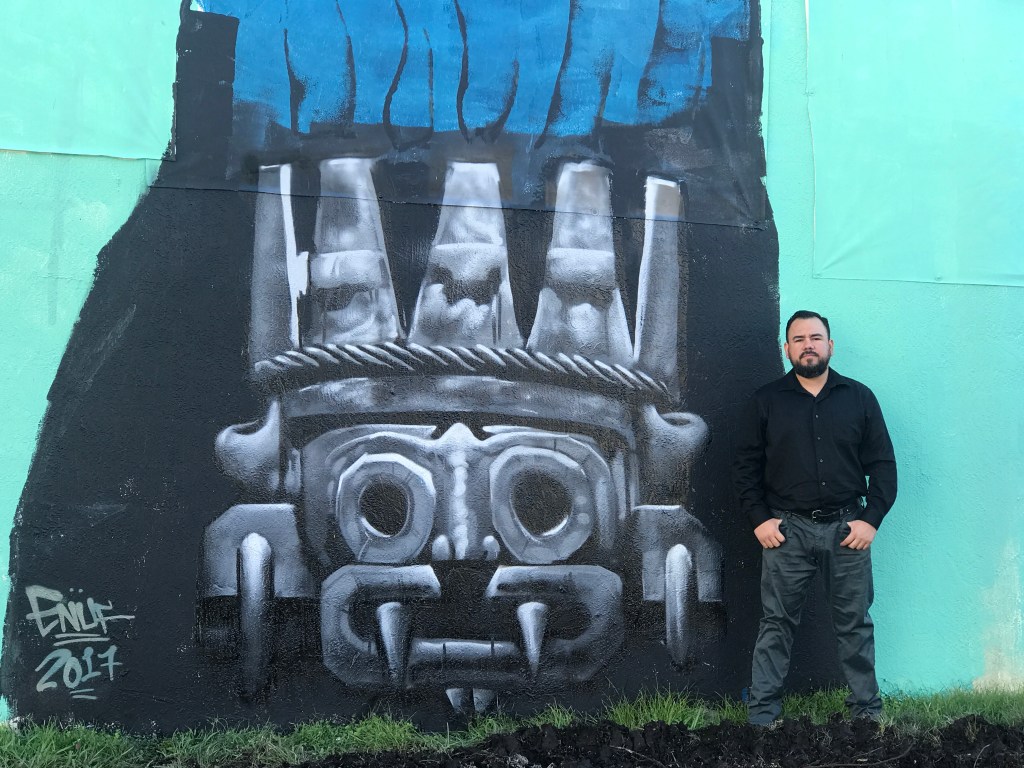
Francisco Enuf Garcia is a Mexican-American (Chicano) muralist artist currently based in Phoenix, Arizona. His work has shown at Aspen Institute, Vincent Price Museum, Washington DC, International Artist Residency-New Delhi India, Phoenix Art Museum, Found:RE Contemporary, Tempe Public Library, ASU Downtown-Tempe, ASU West Library, and Xico Inc. He has painted murals across the US, including Art Basel in Miami, Florida. Francisco has painted murals in numerous countries such as Germany, Switzerland, Italy, Netherlands, France, Spain, Canada, and Mexico. Some of his civic engagement art projects include collaborations with Public Allies, Opportunity Youth United, National Council of Young Leaders, New Deal for Youth, Clinton Global Initiative, and Institution for Educational Leadership. His art has been featured in PBS, Fox News, CNN, Arizona Republic, Phoenix New Times, When We Fight, We Win, and various films such as Dear Mama on HULU (2023).
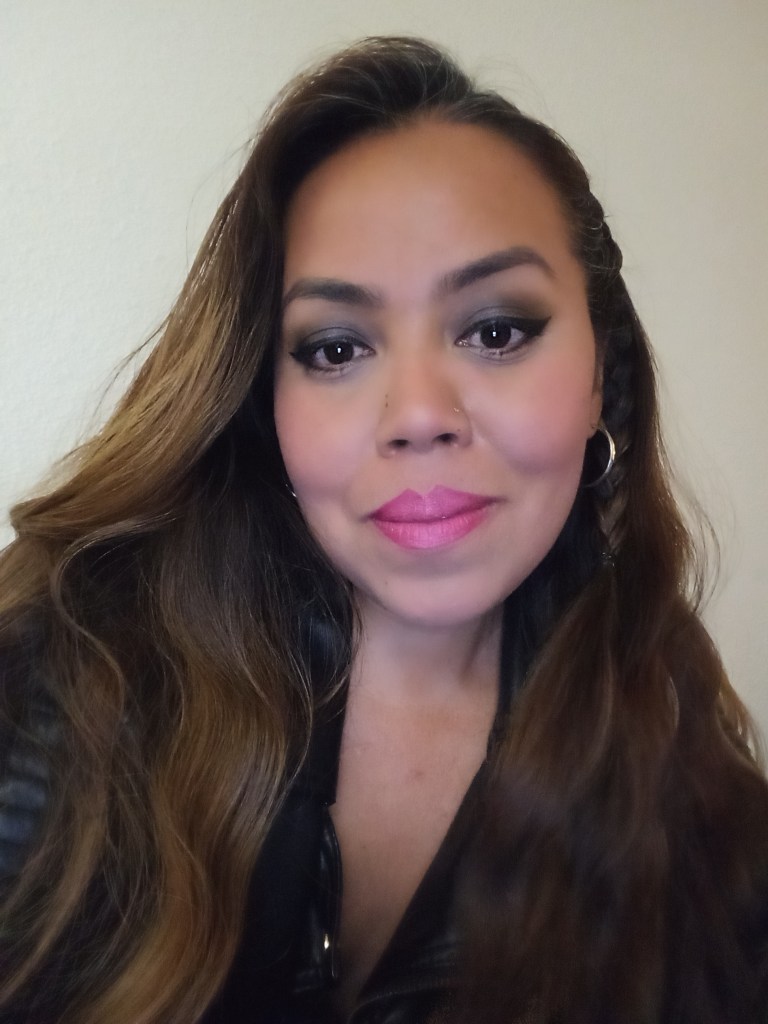
Kristina Zamantha Isidoro Zuniga was born in California in 1988. Herdad is Mexican, and her mom is Philippine. At the age of 2, her paternal grandparents were her legal guardians, and they raised her in Mexico. She lived there for 28 years. Between that time, she grew up and went to school, got a partner, and then had a daughter. In her 30s, she decided to return to the USA, start over with her daughter, and continue her studies to complete a new career here in Arizona. Currently, she is a student at Phoenix College.
 RISE
RISE 